
Portugal for First-Time Visitors: How to Plan Your First Trip
Why Portugal works so well for a first European journey
Portugal combines historic cities, coastal scenery, distinctive cuisine and wine regions in a relatively compact country. For first-time visitors, the main challenge is not finding things to do; it is deciding what to leave out. A trip with well-chosen bases is far more enjoyable than a succession of one-night stays. Lisbon and Porto are natural anchors, with Sintra, the Douro Valley, the Alentejo or the Algarve added according to your interests.
Start with Lisbon
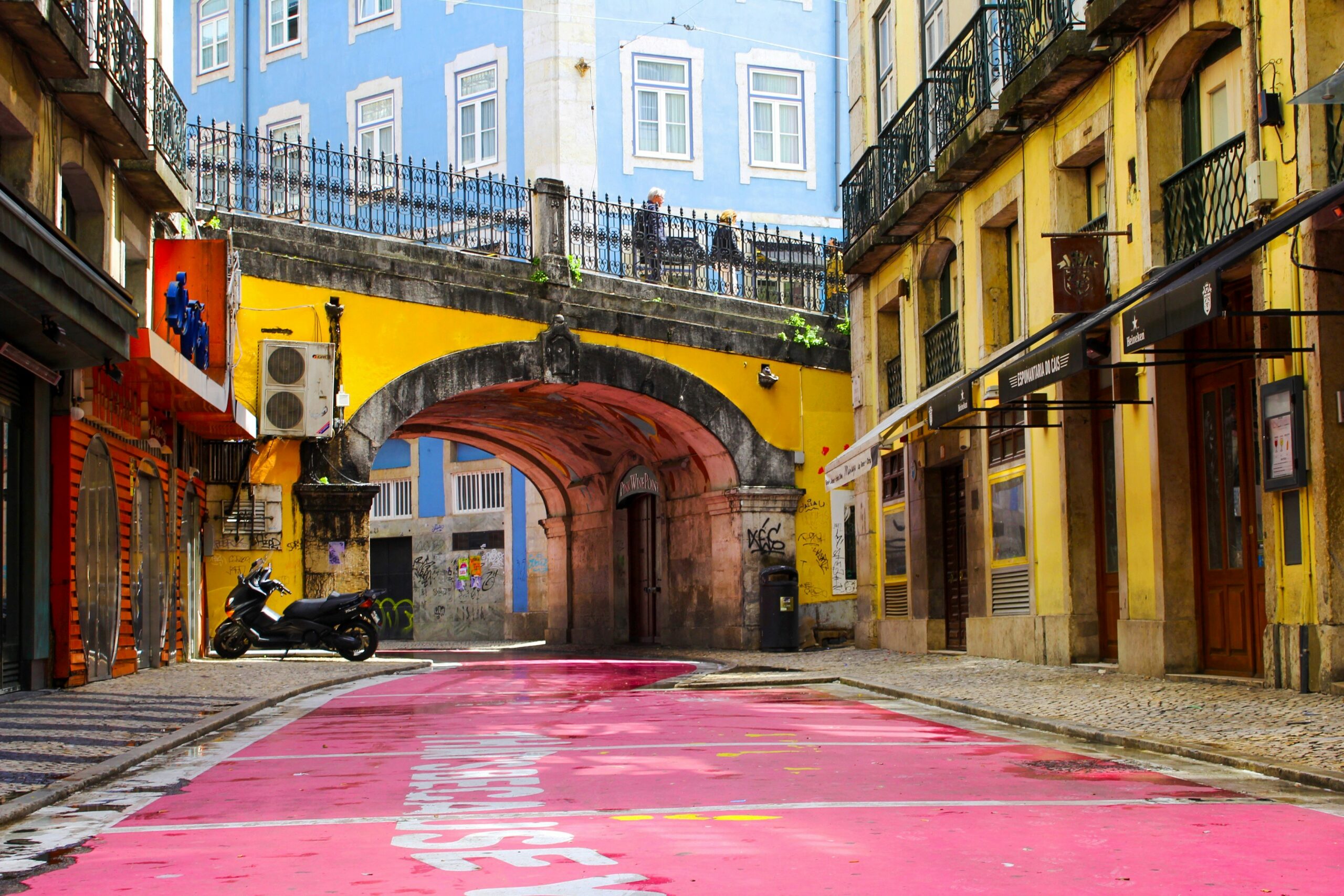
Lisbon deserves at least three nights, and often four. Its neighborhoods each have a different character: Baixa and Chiado provide a central base; Alfama offers winding streets and a traditional atmosphere; Príncipe Real is appealing for boutiques and dining. Plan for hills, cobblestones, and steps. Private guiding can make a substantial difference, especially when you want to understand the city’s history rather than simply photograph its landmarks.
Visit Sintra thoughtfully
Sintra’s palaces, gardens, and wooded hills make it one of Portugal’s most memorable excursions. Pena Palace and Quinta da Regaleira are popular, and travel between sites can take longer than a map suggests. Timed entries and traffic management may apply. Rather than trying to see every palace in a day, select two principal experiences and leave time for lunch or a garden walk. A private driver can be worthwhile.
Continue north to Porto
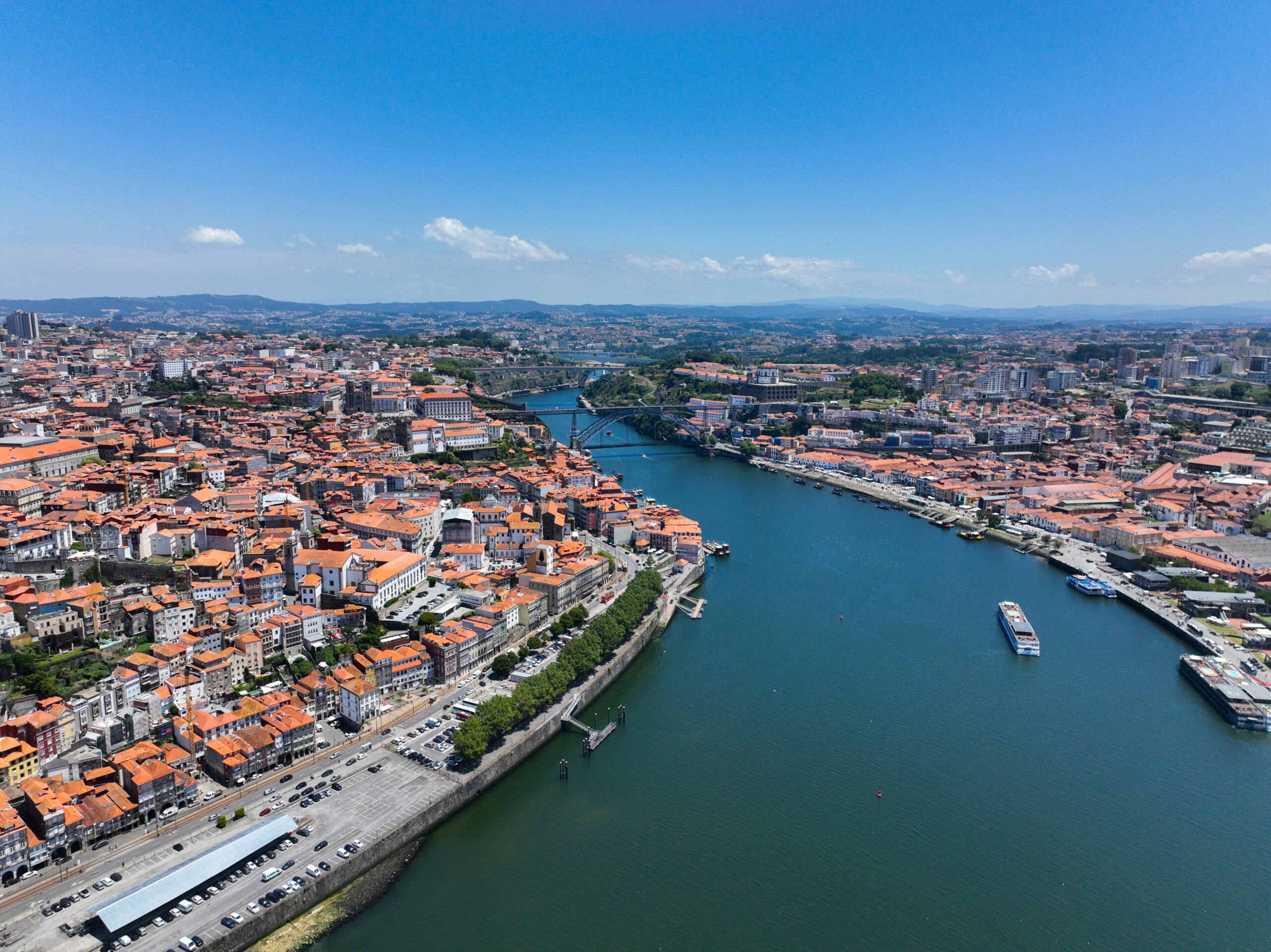
Porto feels different from Lisbon: intimate, atmospheric, and closely connected to the Douro River. Its historic center is known for steep streets, tiled churches, river views, and lively restaurants. Allow two or three nights to explore comfortably. Cross the river to Vila Nova de Gaia for port-wine lodges, and reserve specialized tastings rather than assuming every cellar visit offers the same experience.
Decide whether the Douro deserves an overnight
The Douro Valley is beautiful as a day trip, but spending one or two nights creates a much more relaxed experience. Terraced vineyards, river scenery, and wine estates invite slow travel. Estate visits are often by appointment, and roads can be winding. A driver or curated tour lets travelers enjoy tastings without worrying about navigation.
Choose your coastal or countryside addition
For a beach-focused finish, the Algarve offers dramatic cliffs, sandy coves and resort hotels. Choose the area carefully: some towns are lively and walkable, while others favor a quieter retreat and a rental car. For rural elegance, the Alentejo offers whitewashed towns, olive groves, vineyards and understated boutique properties. Madeira is an excellent island destination but generally deserves its own dedicated segment rather than a rushed two-night add-on.
How to get around
Lisbon and Porto are well connected by rail, making a two-city itinerary straightforward. For Sintra, regional rail or private transport works well depending on the day’s plans. A rental car can be useful in the Alentejo and parts of the Algarve, while private transfers simplify wine-country touring. Driving within Lisbon’s oldest neighborhoods is rarely the most pleasant option. Plan transportation around the experiences, not the other way around.

What to know about hotels
Portugal offers everything from intimate historic inns to sophisticated city hotels and luxury countryside estates. Location matters: a picturesque hotel on a steep street may not suit travelers who prefer easy access. In Porto and Lisbon, ask about room size, elevators and street noise; in rural areas, check dining availability and transportation. A hotel that looks perfect in photographs is not necessarily the best fit for the itinerary.
Dining and local experiences
Build time around food rather than squeezing meals between sightseeing stops. Seafood, regional cheeses, olive oil, pastries and Portuguese wines are central to the experience. A cooking class, market visit or private tasting can be more memorable than an additional museum. Fado is worth considering in Lisbon, but choose an intimate venue and avoid treating the performance as background entertainment.
Practical first-timer advice
Comfortable shoes are essential on uneven pavement. Reserve popular palaces, notable restaurants, and wine estates in advance. Check the current passport and entry requirements for each traveler’s nationality before departure, and be cautious about assuming that every attraction or hotel operates on the same schedule year-round. Portugal uses the euro; mainland Portugal and Madeira are on the same time zone, while the Azores are one hour behind.
A first-trip itinerary that feels balanced
For ten nights, a rewarding starting point is four nights in Lisbon, three in Porto, and three in either the Douro Valley or the Algarve, depending on the season. This is a framework, not a rule. A well-designed first trip should create space for spontaneous discoveries, not merely maximize the number of stops.
A practical ten-night first visit
One balanced route begins with four nights in Lisbon. That gives you time to discover the city at an unhurried pace, devote a full day to Sintra and still enjoy a relaxed evening or two. Continue by train to Porto for three nights, leaving space for a guided city tour, a port tasting, and independent wandering. Finish with three nights in the Douro Valley if wine and countryside scenery are priorities. If the beach is more important, the Algarve is an alternative, but the transportation route should be planned carefully; it is not an effortless detour from Porto. This example is intentionally selective. A first visit should offer an introduction to Portugal’s character, not an attempt to visit every region.
What to book before departure
Popular palace admissions in Sintra can involve timed entry or other operating requirements, so confirm the official rules for the dates of travel. Reserve hotels with the room category and location that suit your needs, not simply the lowest available rate. In the Douro, book the specific estates and tastings that interest you; private visits are not necessarily available on arrival. For travelers with limited mobility, request detailed information about stairs, elevators, cobblestones, and vehicle access. Reserve a few special restaurants while leaving other meals open to discovery. Private guides and transfers are particularly valuable on days when several attractions are spread apart. A little preparation removes friction without turning every hour into an appointment.
Common first-time mistakes
The most frequent mistake is adding too many stops. Portugal looks small on a map, but narrow roads, city traffic, and winding vineyard routes can make a short distance feel much longer. Another mistake is choosing a hotel solely because it is in the historic center, without considering steep approaches or nighttime noise. Travelers sometimes assume a sunny Algarve afternoon guarantees warm ocean swimming, or that a Douro wine estate will offer walk-in tours. It is also easy to underestimate the time needed for Sintra’s popular sights. A thoughtful itinerary accounts for all of these realities. We prefer to build around a few high-value experiences and preserve enough free time for a leisurely lunch, a scenic viewpoint or an unexpected discovery.
A few cultural details worth knowing
Portuguese is the national language, although English is widely used in many tourism settings. Learning a simple greeting and thank-you is appreciated. Restaurant service may feel more leisurely than at home; allow time rather than scheduling a transfer immediately after dinner. Some restaurants bring bread, olives, or other small items to the table that may be charged if consumed, so ask when unsure. Comfortable footwear is more than a casual suggestion in cities with uneven stone paving. In churches and historic buildings, follow posted visitor rules and dress expectations. These small considerations help visitors feel comfortable and make the experience more enjoyable. Above all, give yourself time to observe daily life rather than racing from one attraction to the next.
Recent Posts

Portugal for First-Time Visitors: How to Plan Your First Trip

Best Time to Visit Portugal: A Month-by-Month Guide

7 Beautiful Places and Experiences in Africa
Questions?
We hope you enjoyed the information shared in this article. If you’d like to explore one of these destinations, we would love to assist you with a quote. If you have any other questions, we’d love to help.
The Remarkable Honeymoons Team
Luxury Travel Designers
1-866-614-1803
request@remarkablehoneymoons.com
Planning Your Perfect Honeymoon?
Let our travel specialists craft an unforgettable, tailor-made trip just for you.


