
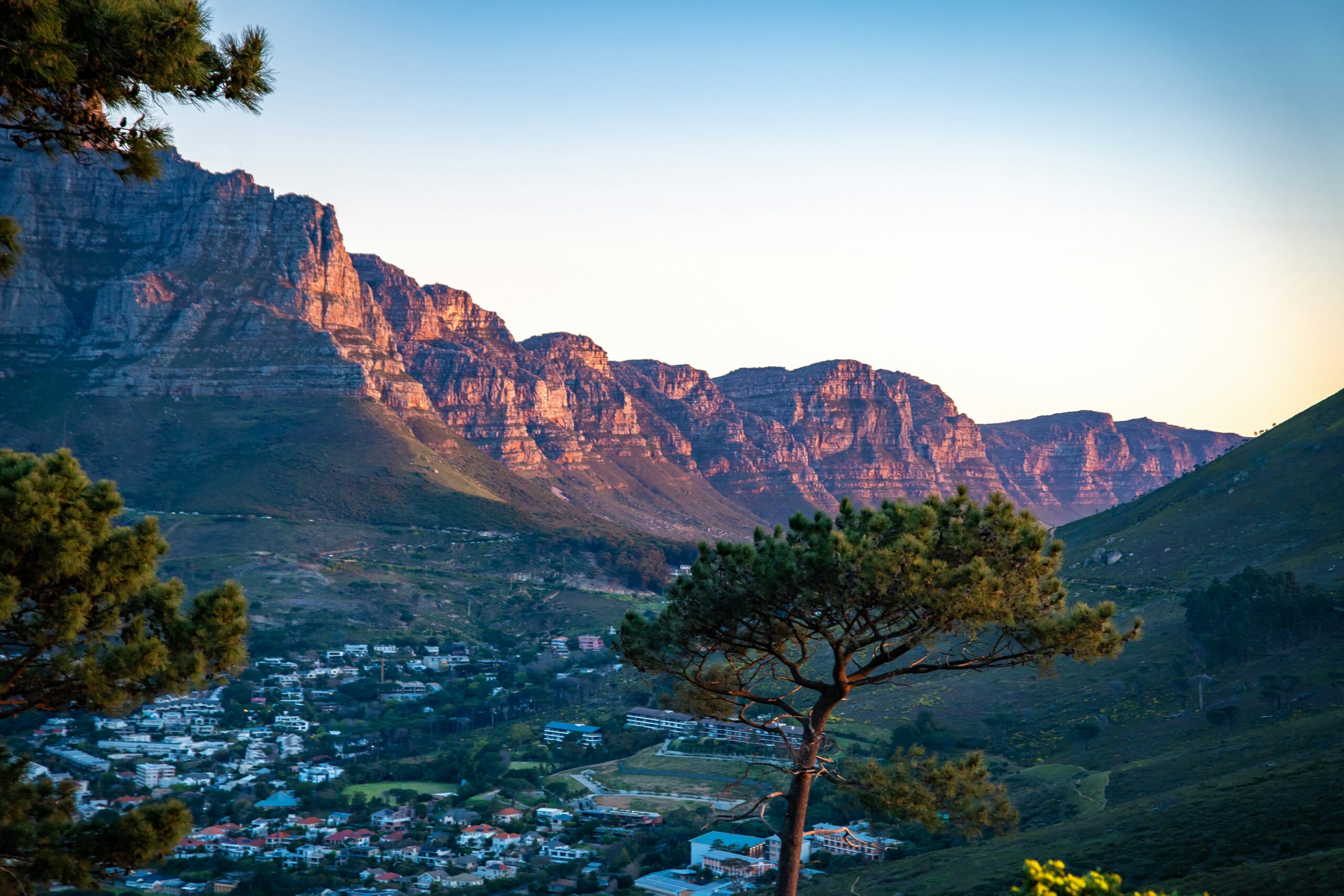
Best Time to Visit Africa: A Month-by-Month Guide
For a safari in many of southern Africa’s best-known wildlife areas, the drier months from roughly May to October are a useful starting point. Cape Town, however, has a different weather pattern, and Morocco’s cities often appeal most in spring and autumn. The best time to visit Africa depends on where you want to go and what you hope to experience.
This guide focuses on South Africa, Botswana, Namibia and Victoria Falls, with Morocco as a separate northern option. It does not apply one seasonal calendar to the whole continent. Use it to narrow your travel window, then check the specific reserves, camps and activities that interest you.
Understand the Different Seasons
Greater Kruger and much of Botswana generally have wetter summers and drier winters. During the dry season, thinner vegetation and fewer scattered water sources can make wildlife easier to observe, although sightings are never guaranteed. Winter drives can be very cold before sunrise.
Cape Town receives much of its rain in winter, while summer usually favors outdoor exploring. Namibia’s desert days and nights can differ sharply in temperature. Morocco sits in the Northern Hemisphere, with its own coastal, mountain and inland conditions. There is no single month that delivers every experience at its seasonal best.
January
January can suit a trip centered on Cape Town and the Winelands, with warm summer days and strong holiday demand. Inland safari areas may be greener, with summer rain and heat influencing the day. In Morocco, Marrakech can offer a city-focused winter escape, but evenings are cool and mountain conditions are a separate consideration. Do not pack for one climate if your route includes several regions.
February
February remains appealing for Cape Town’s outdoor experiences, with flexibility for wind or changing conditions. Botswana’s green season can interest travelers who enjoy birds and lush scenery, provided the chosen camps and access arrangements suit the dates. Namibia’s interior can be intensely hot. Schedule desert outings carefully rather than assuming a sunny destination will be comfortable for long walks throughout the day.
February remains appealing for Cape Town’s outdoor experiences, with flexibility for wind or changing conditions. Botswana’s green season can interest travelers who enjoy birds and lush scenery, provided the chosen camps and access arrangements suit the dates. Namibia’s interior can be intensely hot. Schedule desert outings carefully rather than assuming a sunny destination will be comfortable for long walks throughout the day.
March
March can be a useful month to explore a Cape-focused trip as summer begins to ease. Morocco moves toward spring, with a more appealing outlook for combining Marrakech and lower-elevation countryside. Victoria Falls can be approaching a period of powerful flow, but heavy spray may obscure parts of the view. More water is dramatic; it does not necessarily mean clearer photographs from every viewpoint.
April
April offers several possibilities, each with different trade-offs. Morocco can be attractive for cities and countryside, while Cape Town moves further into autumn. In safari areas, conditions transition according to the year’s rainfall. Victoria Falls may have high water and substantial spray. Holiday dates can increase demand, so compare the actual calendar rather than treating the whole month as a quiet shoulder season.
May
May often marks a useful transition toward drier safari conditions in much of southern Africa. Days may be pleasant, but mornings and evenings call for layers. Cape Town becomes more likely to need wet-weather alternatives. Morocco can still work well for a varied trip, although inland heat increases as summer approaches. Choose the region that matters most rather than asking every stop to offer identical weather.
June
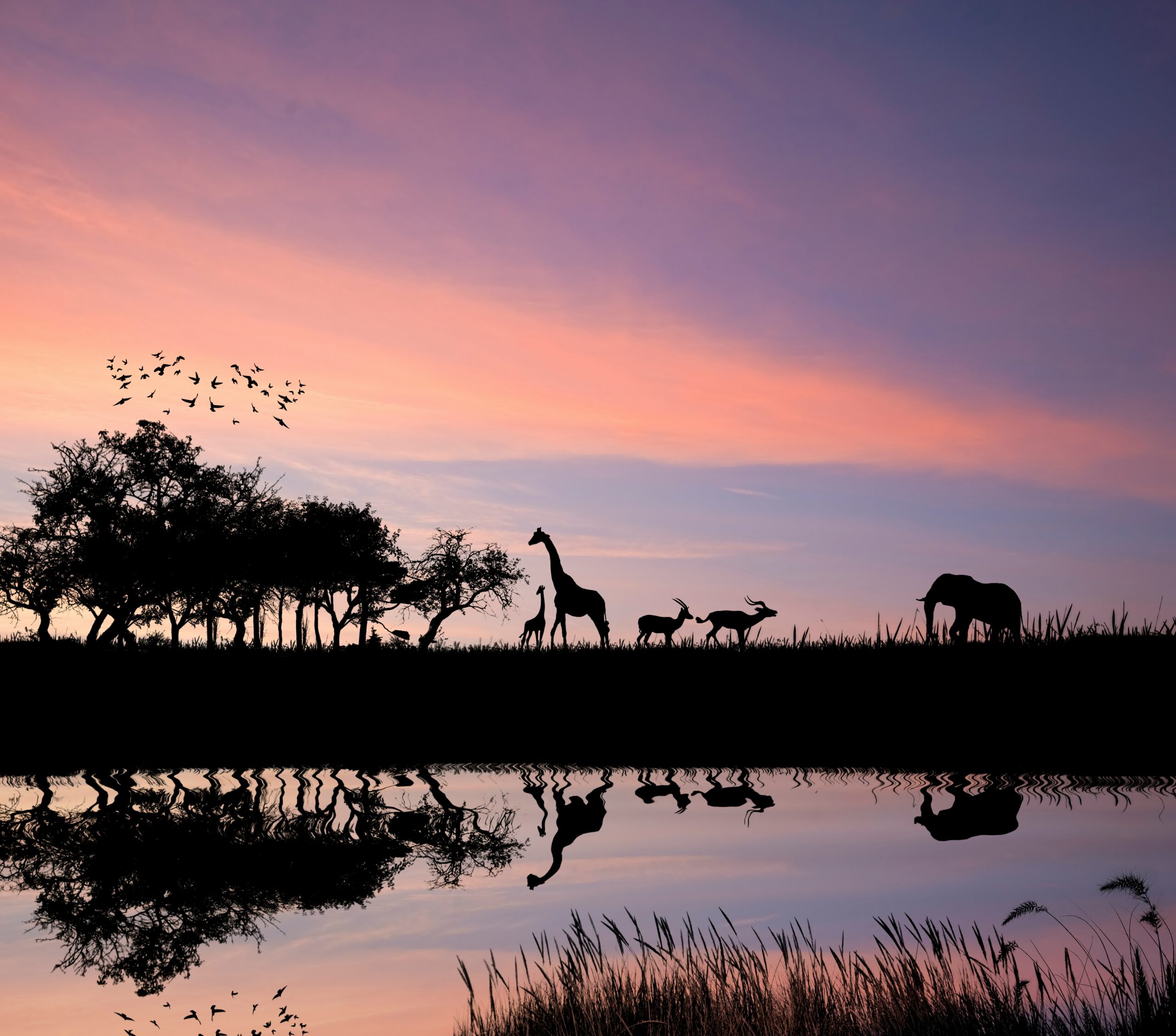
June is worth considering for a safari-led journey in Greater Kruger, Botswana or Namibia. Cooler conditions and the developing dry season can favor wildlife viewing, while early starts require warm clothing. Cape Town is in winter, with rain possible. In the Okavango Delta, water conditions reflect upstream flood patterns as well as local rainfall; confirm the activities at the particular camp.
July
July is a popular safari month, and sought-after camps can book well ahead. Dry-season wildlife viewing may be the main attraction, but cold dawn drives and chilly desert nights deserve as much packing attention as sunny afternoons. Morocco’s inland cities can be very hot. If Morocco is the priority, compare coastal settings or different dates rather than assuming a summer itinerary will feel comfortable everywhere.
August
August can offer an appealing safari focus, with continued demand for lodges and internal flights. In Botswana, land and water activities still depend on camp location and the year’s conditions. Namibia calls for a route that respects distances and temperatures. Around Victoria Falls, flow is generally declining from earlier peaks, changing both the views and which activities operators can offer.
September
September can be a strong starting point for a wildlife-focused trip, although temperatures rise in many safari areas. Cape Town begins moving toward spring, with variable weather still possible. Morocco becomes more inviting as the summer heat eases, especially later in the month. This can be a useful comparison month for couples weighing a safari journey against a cultural trip, rather than trying to combine both.
October
October may bring excellent wildlife opportunities in dry safari areas, but the heat can be demanding. Early rains vary by location and year. Morocco’s cities and countryside are often appealing in autumn, while Cape Town heads toward its warmer season. Victoria Falls may have much lower water levels, particularly on parts of the Zambian side; check expectations before choosing it for the waterfall alone.
November
November can suit a Cape Town and Winelands itinerary, with plans that allow for changeable conditions. Summer rain may begin to reshape safari landscapes, and some seasonal operations elsewhere in the region may adjust their services. Victoria Falls can be near its low-water period. Morocco offers a different autumn option, though cooler evenings and mountain conditions still need attention.
December
December brings summer holidays and strong demand to popular South African destinations. Book early when particular rooms or lodges matter. Safari regions can be hot and wet, with a greener setting than many dry-season photographs suggest. Morocco has winter conditions, especially at elevation. Choose dates around the experience you want, and confirm opening arrangements and festive supplements for individual bookings.
Choose the Experience Before the Calendar
If this is your first visit, our guide to planning your first trip to Africa can help you select a manageable route. Our selection of beautiful places and experiences in Africa can also help you decide whether wildlife, scenery, or cultural discovery deserves priority.
At Remarkable Honeymoons, our Africa honeymoon planning considers the seasonal trade-offs alongside your preferred pace. To plan your Africa trip, share your travel window, approximate budget, and the experiences you would most like to include.
Recent Posts
Best Time to Visit Africa: A Month-by-Month Guide

7 Beautiful Places and Experiences in Spain

How Many Days Do You Need in Spain?
Questions?
We hope you enjoyed the information shared in this article. If you’d like to explore one of these destinations, we would love to assist you with a quote. If you have any other questions, we’d love to help.
The Remarkable Honeymoons Team
Luxury Travel Designers
1-866-614-1803
request@remarkablehoneymoons.com
Planning Your Perfect Honeymoon?
Let our travel specialists craft an unforgettable, tailor-made trip just for you.


