
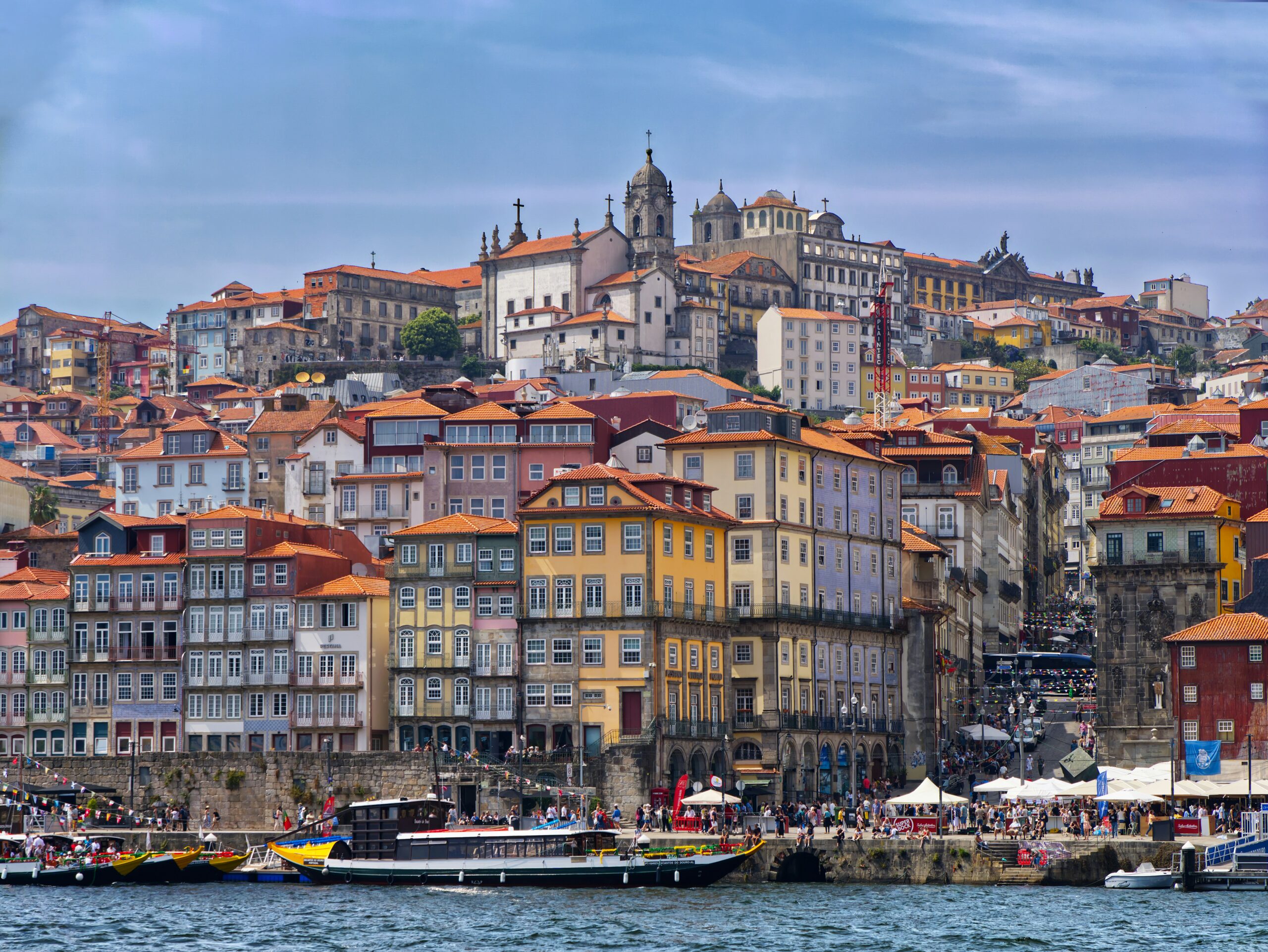
Best Time to Visit Portugal: A Month-by-Month Guide
When is the best time to visit Portugal?
For many travelers, May, June, September and early October offer an excellent balance of comfortable sightseeing weather and manageable crowds. But Portugal is not a single-climate destination. Porto and the green north tend to be cooler and wetter than Lisbon, the Algarve is particularly sunny in summer, and the inland Alentejo can be intensely hot. Madeira and the Azores follow different Atlantic weather patterns. The right month depends on whether your priorities are historic cities, wine country, beaches, hiking or a romantic escape.
January and February: Cities, quiet streets and winter escapes
Winter is a good time to experience Lisbon’s museums, restaurants and neighborhoods without the pace of summer. Porto can be rainy, so build in indoor experiences and flexible touring. The Algarve is appealing for coastal walks and golf rather than a classic swimming holiday. Madeira offers a comparatively mild island alternative, although mountain weather can change quickly. These months can bring attractive hotel value outside holiday periods, but shorter daylight hours and seasonal closures require planning.
March and April: Spring begins
Spring brings greener landscapes and increasingly pleasant days for exploring Lisbon, Sintra, and the Alentejo. Gardens and countryside drives are particularly rewarding. Expect occasional showers, especially farther north, and remember that Easter can raise demand. This is an excellent period for travelers who prefer active sightseeing over beach time. The Atlantic is still cool, even when afternoons feel warm.
May: One of the strongest all-around choices
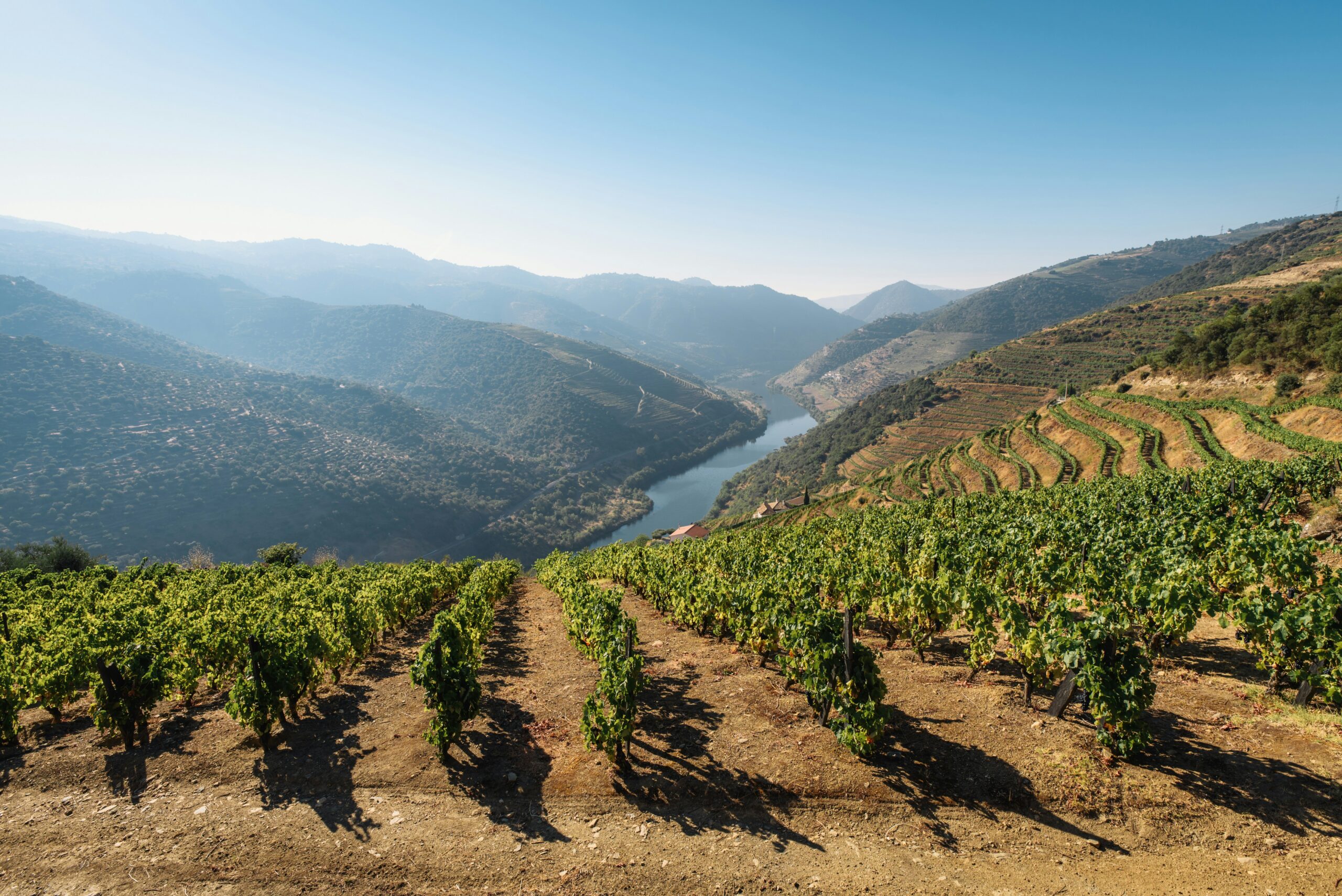
May is especially appealing for walking tours, scenic drives, terraces, and wine-country stays. Lisbon and Porto are generally comfortable for exploring on foot, and the Douro Valley looks lush before the strongest summer heat. In the Algarve, beach lunches and coastal hikes may be more appealing than long swims. Travelers planning a honeymoon with multiple stops can enjoy a good blend of cities and countryside.
June: Long evenings and lively atmosphere
June brings extended daylight, summer energy, and festivals. Lisbon’s popular saint celebrations, especially around Saint Anthony’s Day, give the city a festive atmosphere, but can also mean busy streets and late-night noise. Porto celebrates São João in June. Reserve sought-after hotels and restaurants early. Coastal destinations become more attractive, although sea temperatures can still feel brisk.
July and August: Peak summer
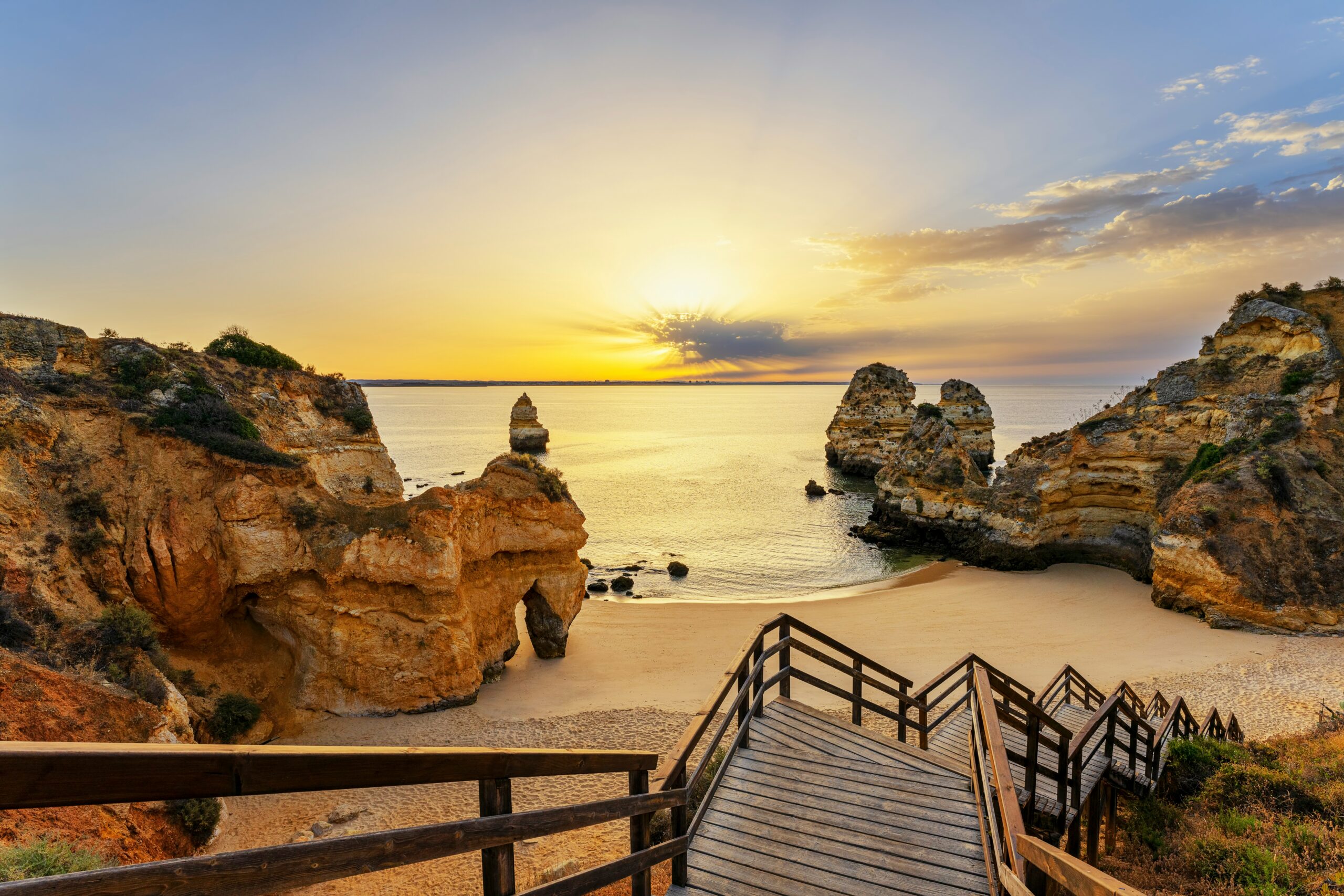
These are prime months for sunshine, beach clubs, and family vacations, particularly in the Algarve. They also bring higher demand, fuller resorts, and hotter inland conditions. The Alentejo and parts of the Douro can be uncomfortable for extensive midday touring. For summer travel, consider an early start, a relaxed lunch, and afternoon downtime. Porto, the northern coast, and island destinations may provide alternatives for travelers seeking milder temperatures.
September: Wine harvest and warm coastal days
September is a favorite for combining wine country with the coast. Harvest activities in the Douro vary by estate and vintage, so special experiences should be arranged in advance rather than assumed. The sea has had the summer to warm, and many beach destinations remain lively. Early September can still be busy, but later weeks often feel more relaxed.
October: A slower, atmospheric Portugal
October can be rewarding for Lisbon, Porto, the Douro and the Alentejo, particularly for food, wine and cultural experiences. Weather becomes less predictable as the month progresses, especially in the north. The Algarve may still offer pleasant sunny afternoons, but swimming and beach services should not be guaranteed. Pack layers and leave room for weather changes.
November and December: Culture and festive travel
Cooler, wetter weather makes these months better suited to city stays, gastronomy, galleries, and seasonal festivities than beach itineraries. December adds holiday lights and festive events, with demand increasing around Christmas and New Year’s. Madeira is particularly well known for its New Year’s celebrations; arrangements should be made well ahead.
Best timing by travel style
For a first visit pairing Lisbon and Porto, consider late spring or early autumn. For the Algarve, choose summer or early autumn if swimming is central. For a Douro wine-focused journey, September can be memorable, but May and June are excellent for scenery. For Madeira, much of the year works, with regional microclimates to consider. The Azores are generally easier for outdoor itineraries in late spring through early autumn, though rain and wind remain possible year-round.
Planning the right trip
Portugal rewards a thoughtful itinerary more than a rigid checklist. We help travelers match season, region, and hotel style so that time is spent enjoying the destination rather than navigating avoidable crowds or weather mismatches.
What the forecast does not tell you
Portugal’s coastal climate can be deceptive. A forecast showing a comfortable daytime high does not necessarily mean warm evenings, and wind near the Atlantic can make a beach day feel cooler than the thermometer suggests. In Lisbon, the same day may feel quite different in a sheltered square and at a waterfront viewpoint. In Porto, rain is a realistic possibility outside summer; in the Douro, afternoon heat can build quickly away from the coast. Packing layers is usually more useful than relying on a single seasonal average. For couples celebrating a special occasion, plan an indoor alternative to a scenic outdoor dinner or boat outing. A flexible itinerary preserves the experience even when the weather changes.
Portugal’s regional differences matter
Lisbon is an excellent cultural base throughout much of the year, but a city stay and a coastal resort stay are not interchangeable. The Algarve is busiest in summer and can be wonderfully relaxed in spring, although many travelers will find the ocean too cold for extended swimming. The Douro is not simply an extension of Porto’s weather: summer heat in the valley can be significantly stronger, and vineyard experiences follow agricultural schedules. The Alentejo offers gorgeous rural scenery but demands thoughtful timing for outdoor touring. Madeira’s north and south coasts, and its mountains, can experience noticeably different conditions on the same day. The Azores have a maritime climate that can change rapidly. Choosing the correct region is often more important than choosing the supposedly perfect month.
Holidays, events and availability
National and local holidays can shape the atmosphere of a trip as much as the weather. Lisbon’s June festivities are exciting for travelers who enjoy street celebrations, but less ideal for someone seeking uninterrupted sleep in a central hotel. Porto’s São João celebrations also draw visitors. Easter, summer school holidays and year-end festivities can affect pricing and availability, especially in popular coastal areas. The Douro harvest attracts considerable interest, and an estate may prioritize production rather than offer the visitor experience advertised in another season. We recommend confirming the exact activities that matter to you before committing to flights or nonrefundable hotels. A popular festival is a reason to visit only when its character matches your preferences.
How to choose your own ideal dates
Start with three questions:
Is swimming important?
Do you prefer warm weather or comfortable walking temperatures?
Are wine and food experiences a major focus?
If beach time is essential, favor summer or early autumn and choose a property with facilities you will enjoy even on breezy days. If you want to explore cities, late spring and early fall offer more flexibility for long walking days. If you dream of vineyard experiences, ask what is actually available during your intended dates rather than assuming you can participate in harvest. Finally, consider the trip’s pacing. A ten-night itinerary with a city, a countryside stay, and a resort can work beautifully in shoulder season, but only when each location has a compelling reason to be included.
The best dates are the dates that support the trip you want.
Recent Posts

Best Time to Visit Portugal: A Month-by-Month Guide

7 Beautiful Places and Experiences in Africa

How Many Days Do You Need in Africa?
Questions?
We hope you enjoyed the information shared in this article. If you’d like to explore one of these destinations, we would love to assist you with a quote. If you have any other questions, we’d love to help.
The Remarkable Honeymoons Team
Luxury Travel Designers
1-866-614-1803
request@remarkablehoneymoons.com
Planning Your Perfect Honeymoon?
Let our travel specialists craft an unforgettable, tailor-made trip just for you.


